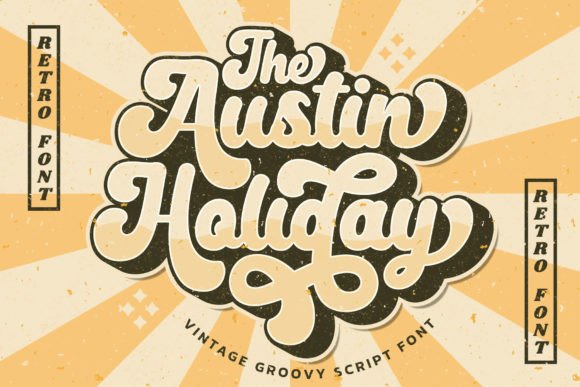
Austin Holiday: A Retro Script Font for Web Design
When curating a digital brand identity, selecting the right Fonts is critical for establishing tone and hierarchy. Austin Holiday stands out as a distinctive choice for designers seeking to inject personality into static layouts. As a Script Handwritten typeface, it bridges the gap between nostalgic charm and modern digital clarity. This font is not merely decorative; it is a functional tool for creating memorable user experiences across websites, landing pages, and digital products. By understanding its structural nuances and PUA-encoded capabilities, web designers can leverage this typeface to enhance visual engagement without sacrificing readability.
Integrating Austin Holiday into Hero Sections and Landing Pages
The first few seconds of a user’s visit determine their engagement level, making the hero section of a website the most valuable real estate for typography. Austin Holiday excels in this environment because it commands attention while maintaining a friendly, approachable demeanor. Unlike rigid geometric sans serifs, this Script Handwritten font introduces organic movement that guides the eye naturally across the screen. When used for main headlines or subheaders on landing pages, it creates an immediate emotional connection with the visitor. The retro aesthetic suggests authenticity and craftsmanship, which is particularly effective for boutique online stores, creative portfolios, and coaching websites. Designers should pair this display font with a clean, neutral sans serif for body copy to ensure the layout remains balanced and scannable. This contrast establishes a clear visual hierarchy, allowing the script font to act as the accent while the supporting text delivers essential information efficiently.
Enhancing Brand Tone with Retro Script Typography
Brand consistency extends beyond color palettes and logo marks; it lives in the typography choices that define voice. Austin Holiday offers a playful yet stylish character that can transform a generic template into a branded experience. For digital product creators and SaaS founders, using this font in section headers or call-to-action areas can soften the corporate feel often associated with tech products. The fluid strokes of the Script Handwritten style convey warmth and human touch, which builds trust with potential customers. Whether applied to a course sales page or a blog graphic, the font reinforces a narrative of creativity and individuality. It is essential to use these Fonts strategically, reserving them for short phrases, titles, or decorative accents rather than long paragraphs. This selective application ensures that the retro vibe enhances the brand identity without overwhelming the user interface.
Leveraging PUA Encoding for Custom Digital Assets
Technical flexibility is a hallmark of professional-grade typography, and Austin Holiday delivers through its PUA (Private Use Area) encoding. This feature allows web designers and UI creators to access all glyphs and swashes with ease, providing extensive customization options for unique design elements. Instead of relying on standard characters, designers can incorporate elaborate ligatures and alternate forms to create one-of-a-kind logos or banner headers. This level of control is invaluable for crafting distinct visual identities for online stores and marketing campaigns. By utilizing these extra glyphs, you can avoid the repetitive look that often plagues default script fonts. The ability to toggle between different stylistic sets means that Austin Holiday can adapt to various contexts, from elegant wedding invitation-style web banners to bold, playful social media graphics. This versatility ensures that your digital assets remain fresh and engaging, supporting a cohesive yet dynamic online presence.
Optimizing Readability Across Devices and Screen Sizes
Responsive design requires fonts that perform well on both large desktop monitors and small mobile screens. While Script Handwritten fonts can sometimes struggle with legibility at smaller sizes, Austin Holiday is crafted with sufficient stroke weight and spacing to maintain clarity. However, best practices dictate using this font primarily for headings and larger text elements. On mobile devices, ensure that the font size is increased adequately to prevent the intricate details of the script from blurring together. When placing text over image overlays, consider adding a subtle drop shadow or background tint to enhance contrast. Dark backgrounds paired with light-colored script text can create a striking effect, but careful testing is required to ensure the thin terminals of the letters remain visible. By prioritizing readability, designers ensure that the aesthetic appeal of Fonts like Austin Holiday does not compromise the user experience. This balance is crucial for maintaining low bounce rates and high conversion metrics on digital platforms.
Strategic Font Pairing for Modern Web Layouts
Successful web design relies heavily on the harmony between typefaces. Austin Holiday pairs exceptionally well with modern sans serif fonts that offer strong vertical structures and open apertures. This combination creates a pleasing contrast between the flowing, organic lines of the script and the stable, geometric forms of the body text. For editorial-style blogs or content-heavy websites, pairing this retro script with a classic serif font can evoke a sense of tradition and authority, while still retaining a playful edge. The key is to limit the use of Script Handwritten elements to highlight specific sections, such as quotes, testimonials, or section dividers. This approach prevents visual fatigue and keeps the user focused on the core message. When building a design system, define clear rules for when and where to use Austin Holiday to maintain consistency across all pages. This disciplined application ensures that the font serves as a powerful branding tool rather than a distracting element.
Commercial Licensing and Professional Implementation
For web designers and agencies working on client projects, understanding licensing requirements is essential. Austin Holiday is designed for commercial use, making it suitable for a wide range of professional applications, including website headers, digital ads, and branded templates. Before implementing this font in a live environment, verify the specific license terms regarding webfont usage and server limits. Proper licensing protects both the designer and the client from legal issues while supporting the creators of these premium Fonts. Additionally, ensure that the font files are optimized for web performance to minimize load times. Slow-loading custom fonts can negatively impact SEO and user satisfaction. By integrating Austin Holiday correctly into your workflow, you enhance the aesthetic quality of your digital products while adhering to professional standards. This attention to detail reflects a commitment to quality that clients and users alike will appreciate, ultimately contributing to a stronger, more credible online identity.