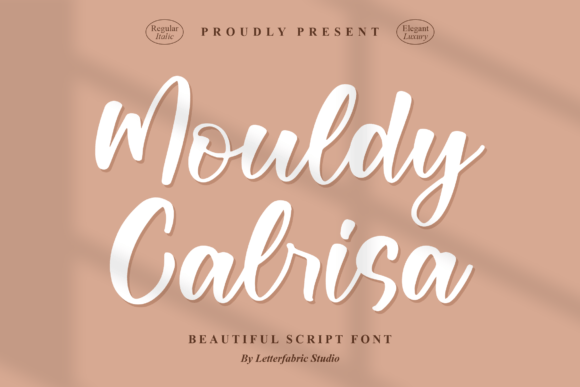
Mouldy Calrisa: A Script Font for Modern Branding
When I first opened my design software to tackle a new identity project for a local artisanal bakery, I knew the usual suspects wouldn't cut it. The client wanted something that felt handmade yet polished, rustic but refined. That is when I turned to Mouldy Calrisa, a typeface that immediately changed the trajectory of the mockup. As one of those versatile Fonts that bridge the gap between casual handwriting and professional typography, it offered the exact personality the brand needed. This Script Handwritten style brought an organic warmth to the digital canvas, proving that the right typeface can do more than just display text; it can evoke a feeling.
Using Mouldy Calrisa for Logo Design and Brand Identity
The primary challenge in any branding project is creating a logo that stands out while remaining legible. Mouldy Calrisa excels here because its strokes have a natural flow that mimics genuine penmanship without sacrificing clarity. In my initial sketches, I placed the font against a clean, minimal background to let the curves breathe. The result was a logo that felt personal and inviting, perfect for businesses that rely on trust and human connection. Unlike rigid geometric Fonts, this Script Handwritten option adds a layer of authenticity that resonates with audiences looking for bespoke quality. It works exceptionally well as a primary logo mark for boutiques, cafes, or creative studios where the founder’s personal touch is a key selling point.
Crafting Elegant Product Packaging with Mouldy Calrisa
Once the logo was approved, we moved to the packaging design, which is often where a brand’s personality truly shines. Mouldy Calrisa proved to be incredibly adaptable on various surfaces, from matte paper labels to glossy boxes. The font’s weight is balanced enough to remain readable at smaller sizes, which is crucial for ingredient lists or product descriptions on product packaging. I tested it on mockups for candle jars and soap wrappers, and the script added a touch of luxury without feeling pretentious. When designing for physical goods, it is essential to choose Fonts that maintain their integrity when printed. This Script Handwritten typeface holds up beautifully, ensuring that the brand looks consistent whether it is sitting on a shelf or being held in a customer’s hand.
Applying Mouldy Calrisa to Homeware Designs and Merchandise
Beyond paper and digital screens, I explored how Mouldy Calrisa could translate to tangible lifestyle products. The client wanted to expand into homeware, so I applied the font to designs for ceramic mugs and linen tea towels. The organic curves of the letters complemented the textured surfaces of these items perfectly. For mugs and homeware designs, the font needs to be impactful yet harmonious with the object’s shape. Mouldy Calrisa achieved this by wrapping naturally around curved surfaces, making each piece feel like a custom creation rather than mass-produced merchandise. This versatility makes it a go-to choice for designers working on t-shirts and shopping bags as well, where the typography often serves as the main visual element.
Creating Impactful Posters and Quotes with Mouldy Calrisa
In addition to physical products, the brand needed a strong presence on social media and in-store signage. I used Mouldy Calrisa to create a series of inspirational quotes and promotional posters. The font’s expressive nature allows it to command attention without shouting, making it ideal for editorial-style graphics. When paired with a simple sans serif body text, the Script Handwritten headlines create a dynamic visual hierarchy that guides the viewer’s eye. This approach works wonders for book covers too, where the title needs to convey mood instantly. By using Fonts like Mouldy Calrisa for short-form text, designers can add emotional depth to their layouts, turning simple messages into memorable visual statements.
Pairing Mouldy Calrisa with Complementary Typefaces
A common question I get from fellow designers is how to pair such a distinctive script. Mouldy Calrisa is robust enough to stand alone, but it also plays well with others. For a modern look, I paired it with a clean, geometric sans serif to create contrast and improve readability for longer text blocks. For a more vintage or rustic vibe, a subtle serif font can anchor the whimsical nature of the script. The key is to let Mouldy Calrisa take the spotlight as the display font while using secondary Fonts for supporting information. This balance ensures that the Script Handwritten elements enhance the design without overwhelming the viewer. Whether you are designing a website header or a printed flyer, thoughtful pairing elevates the overall professionalism of the project.
Practical Tips for Testing Mouldy Calrisa in Client Work
Before finalizing any design, I always recommend testing Mouldy Calrisa in various contexts to ensure it meets the project’s needs. Check how it looks at different sizes, from large billboard headers to small business card details. Pay attention to the spacing and ligatures, as these details can significantly affect the font’s readability and aesthetic appeal. Since Mouldy Calrisa is suitable for a wide range of projects including nam tags, logos, and branding materials, verifying its versatility early on saves time later. Ensure you have the proper commercial license if you are using it for client work, especially for products like t-shirts and product packaging that will be sold. By treating Fonts as integral design assets rather than afterthoughts, you can create cohesive and compelling brand identities that stand the test of time.